
Investors gain federal tax breaks in 20 Wyoming Opportunity Zones on Jan. 1
Last updated: November 17, 2026
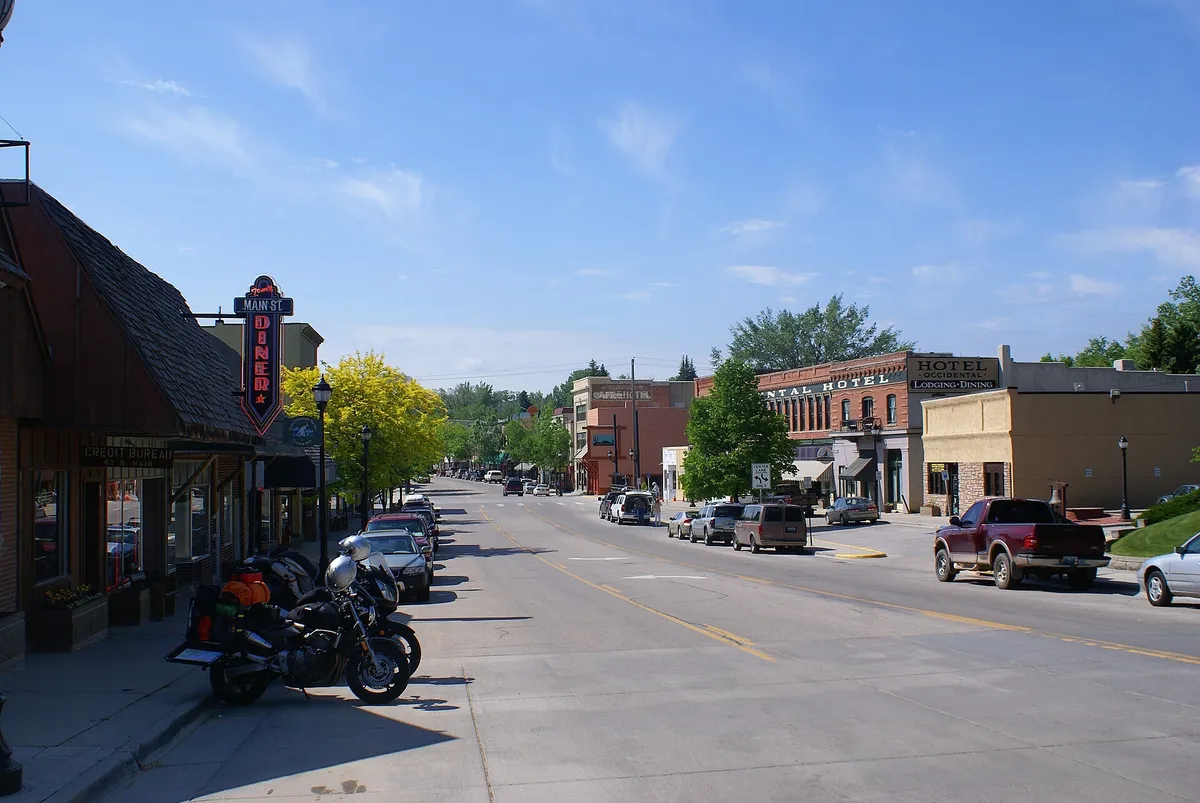
Starting Jan. 1, 2027, investors who put capital gains into 20 Wyoming census tracts can earn federal tax breaks for a decade, now that the U.S. Treasury Department has named the tracts Opportunity Zones.
About 66,000 people live inside the new zones. That's roughly 11 percent of Wyoming's 587,618 residents in 2024, based on American Community Survey estimates.
Opportunity Zones are a federal tax incentive aimed at lower-income communities. Investors who back businesses and real estate there with capital gains get tax breaks in return.
Sixteen of the 20 tracts are rural, and those carry richer incentives, the Wyoming Business Council said.
Zones fall in nine counties: Albany, Campbell, Converse, Fremont, Johnson, Laramie, Natrona, Sweetwater and Uinta. In Fremont, Uinta and Campbell counties, the tracts reach across wide rural areas.
"Wyoming communities have projects ready to go, and this designation gives investors a reason to look here first," Gov. Mark Gordon said.
Anyone who holds an Opportunity Zone investment for at least 10 years owes no federal tax on its growth.
There's no grant money attached. Instead, the designation is meant to help qualifying projects draw private dollars.
Rural tracts go further. After five years, the federal break there is three times as large, 30 percent compared with 10 percent in other zones. Investors also get a lower bar for rehabilitating existing buildings.
"An Opportunity Zone doesn’t build anything on its own, but it can make a good project easier to finance," said Connor Christiansen, the business council's economic policy and research advisor.
Gordon called the zones "a long-term tool for private investment in housing, businesses and jobs across our state."
Tract maps, eligibility details and other help for developers, investors and communities are posted at wbc.pub/WY_OZ, the council said.
Earlier this year, Gordon set up a working group, led by the business council and the Governor's Office, to steer the state's nominations.
Wyoming had fewer than 25 eligible tracts, so it put forward every one Treasury had identified.